
Understanding the Human Mind
Exploring meaning, experience, and cognition across psychology, philosophy, and neuroscience.
The Mission Behind Exploration
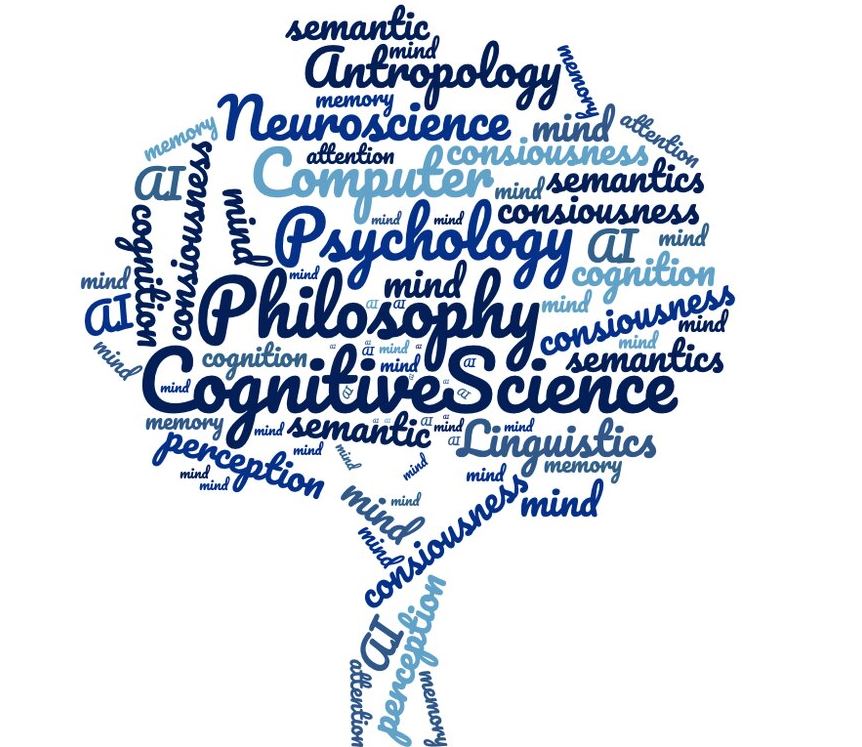
This work exists to examine the complexity of human thought, emotion, and consciousness through multiple lenses. Psychology, philosophy, and neuroscience each offer distinct perspectives, yet their most valuable insights often emerge where these disciplines overlap. Rather than isolating mental processes into separate categories, this approach emphasizes integration, showing how biological mechanisms, cognitive patterns, and philosophical questions inform one another.
The goal extends beyond describing how the brain functions or cataloging theories of the mind. It seeks to understand what those discoveries mean for daily life, relationships, ethics, and society. By presenting ideas with clarity and depth, readers are encouraged to reflect on their own experiences while engaging with broader questions about identity, meaning, and awareness that continue to shape contemporary thought.
Why Psychology Matters to Everyday Life
Psychology offers practical insight into how people perceive, decide, remember, and relate to others. It helps explain how habits form, why emotions influence judgment, and how personality develops over time. From clinical applications that address mental health challenges to research on motivation and well-being, psychology connects theory directly to lived experience.
Understanding psychological processes allows individuals to recognize patterns in their own behavior and responses. Concepts such as cognitive bias, emotional regulation, and resilience provide tools for navigating complexity in personal and social contexts. Each investigation into behavior or emotion adds nuance to how human vulnerability and strength coexist.
Philosophy as the Framework of Inquiry
Philosophy remains essential because it shapes the questions that guide all other forms of inquiry. While science measures and observes, philosophy examines meaning, responsibility, and understanding itself. Questions about consciousness, free will, and knowledge cannot be resolved through data alone. They require careful reasoning, interpretation, and debate.
Philosophical reflection ensures that advances in science remain connected to ethical and existential considerations. When discoveries challenge assumptions about agency or identity, philosophy provides the tools to examine their implications. This framework keeps exploration of the mind grounded in human values rather than drifting into abstraction.
Neuroscience and the Biological Foundations of Thought
Neuroscience grounds inquiry in the physical structure of the brain, revealing how neural networks give rise to perception, memory, emotion, and awareness. Advances in imaging and measurement allow researchers to observe activity patterns associated with learning, creativity, and decision-making.
This biological perspective does not reduce mental life to mechanics. Instead, it highlights the extraordinary complexity through which physical processes produce subjective experience. Observing how synaptic changes support learning or how networks coordinate attention deepens appreciation for both the power and the limits of biological explanation.
The Intersections That Shape Understanding
Many of the most significant insights arise where disciplines intersect. Cognitive neuroscience connects behavioral theory with neural evidence, clarifying how perception and memory emerge from structure. Neurophilosophy explores whether consciousness can be fully explained through physical processes or whether essential aspects remain beyond reduction.
These intersections demonstrate that no single field can fully account for the richness of mental life. Dialogue across disciplines mirrors the complexity of human experience itself, encouraging openness rather than rigid explanation.
The Human Dimension of Knowledge
Inquiry into the mind ultimately returns to human experience. Theories of memory relate to how people preserve identity and connection. Debates about agency influence how responsibility and compassion are understood. Neuroscientific findings shape approaches to education, health, and justice.
Knowledge gains meaning when it resonates with lived reality. By maintaining this connection, exploration of the mind remains relevant, ethical, and responsive to the needs of individuals and communities.
A Long-Term Vision
Understanding the mind is an ongoing process rather than a finished achievement. Emerging technologies, advances in artificial intelligence, and new findings in cognitive science continue to reshape what is known. At the same time, enduring philosophical questions remind us that reflection must accompany innovation.
This work remains committed to sustained inquiry, adaptation, and dialogue. By bringing scientific insight, philosophical reasoning, and psychological understanding into conversation, it supports thoughtful engagement with the questions that define human awareness, responsibility, and meaning.