
Mapping the Living Mind
Neuroscience as the Frontier of Human Understanding.
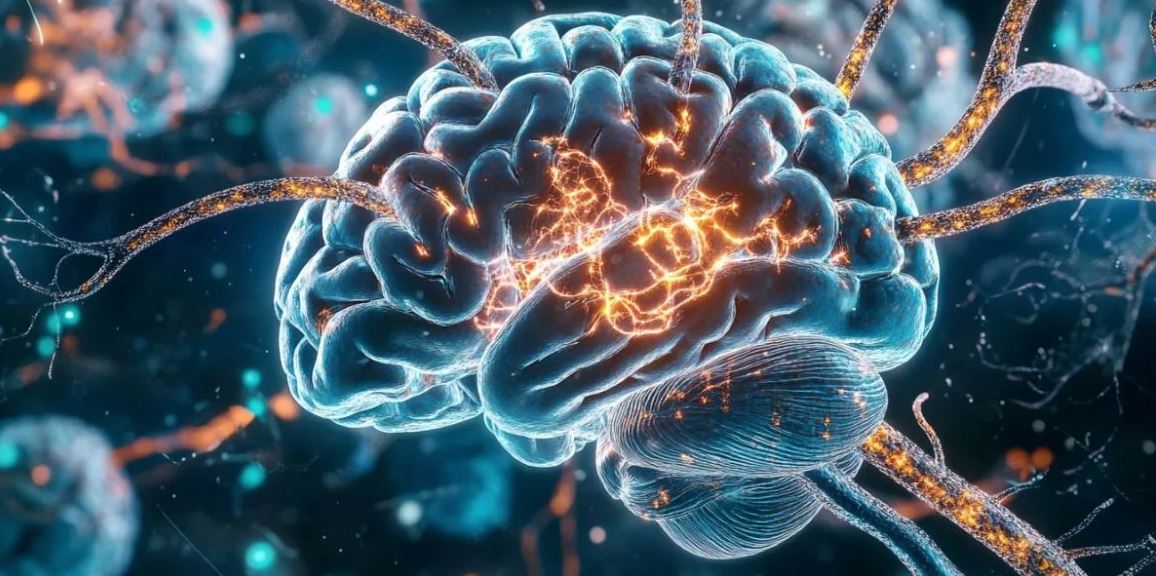
The Origins and Evolution of Neuroscience
Neuroscience is the study of the brain, nervous system, and the intricate networks that make thought, perception, and behavior possible. It began as a blend of philosophy and medicine, with early thinkers like Hippocrates and Galen speculating about the brain’s role in sensation and memory. Over centuries, advances in anatomy, microscopy, and experimental techniques allowed scientists to trace neural pathways and map the physical structures of the brain. The 20th century marked a turning point with the rise of electrophysiology, cognitive psychology, and brain imaging. Today, neuroscience is an interdisciplinary field that unites biology, computer science, psychology, and physics in the pursuit of understanding one of the most complex systems in the known universe: the human brain.
Neurons, Synapses, and the Architecture of Thought
At the foundation of neuroscience lies the neuron, a specialized cell designed for communication. Each neuron transmits electrical impulses and chemical signals, forming networks that underlie every human experience. Synapses, the connections between neurons, are dynamic, strengthening or weakening through processes known as plasticity. This ability for adaptation allows us to learn, store memories, and recover from injury. The balance of neurotransmitters such as dopamine, serotonin, and glutamate governs mood, motivation, and cognition. Even the simplest sensation, such as seeing a color or hearing a sound, requires coordinated activity among millions of neurons. By studying these microscopic interactions, neuroscience sheds light on the building blocks of thought, emotion, and behavior.
The Brain and Its Regions of Function
The human brain is often described as a landscape of specialized regions, each contributing to the orchestration of life. The frontal lobes are the seat of planning, reasoning, and self-control. The occipital lobes process visual information, while the temporal lobes decode language and store memories. The parietal lobes integrate sensory information and guide spatial awareness. Beneath the cortex, the hippocampus encodes memory, and the amygdala governs fear and emotional salience. Even deeper, the brainstem regulates heartbeat and breathing, anchoring our most essential functions. Yet these regions never work in isolation. Modern neuroscience emphasizes networks, showing that consciousness and behavior arise from the interplay of distributed circuits rather than single brain areas.
Neuroscience and the Study of Consciousness
One of the greatest mysteries explored by neuroscience is the nature of consciousness. How do billions of neurons give rise to awareness, to the subjective experience of being? While no definitive answer exists, research has uncovered correlates of consciousness, such as synchronized brain waves and large-scale connectivity between cortical regions. Theories like Global Workspace Theory suggest that consciousness arises when information is broadcast across multiple brain networks. Integrated Information Theory proposes that consciousness reflects the degree of interconnectedness within a system. While these frameworks advance understanding, they also highlight the philosophical depth of the question. Neuroscience can measure neural activity, but whether it can fully explain the qualitative essence of experience remains uncertain.
The Plastic Brain and Human Potential
One of the most remarkable discoveries in neuroscience is neuroplasticity, the brain’s capacity to adapt throughout life. Once believed to be fixed after childhood, the brain is now understood as dynamic, capable of reorganizing itself in response to injury, learning, and environment. Stroke survivors can regain lost abilities through rewiring, musicians exhibit structural changes in motor and auditory regions, and bilingual individuals show enhanced connectivity in language networks. Plasticity is not limitless, but it reveals that human potential extends beyond fixed traits. This adaptability also underscores the importance of mental health, education, and lifestyle in shaping the brain across the lifespan.
Neuroscience in Mental Health and Disease
The study of brain disorders is central to neuroscience, bridging biology with human suffering. Conditions like depression, schizophrenia, and Alzheimer’s disease are not merely psychological but involve measurable changes in brain chemistry and circuitry. Understanding these conditions allows for the development of treatments that target underlying mechanisms, from pharmacological interventions to therapies that harness plasticity. Neuroscience also complicates the picture, showing that disorders exist on a spectrum rather than in rigid categories. For example, the same neural pathways implicated in anxiety can also support creativity and vigilance. By viewing mental health through the lens of neuroscience, we see not only illness but also resilience and adaptation.
Technology and the Future of Neuroscience
The future of neuroscience is being transformed by technology. Brain imaging techniques like functional MRI and PET scans reveal the living brain in action. Electrode arrays allow for brain-computer interfaces that restore movement in paralyzed individuals or enable communication without speech. Artificial intelligence assists in analyzing vast datasets, uncovering patterns in neural activity that humans alone could not perceive. Ethical questions also emerge: Should brain data be considered private? How should society regulate technologies that can alter cognition or mood? The future of neuroscience promises astonishing insights and innovations, but it also requires careful reflection to ensure human dignity and autonomy remain at the center.
The Integration of Neuroscience, Philosophy, and Psychology
Neuroscience does not stand alone. Its discoveries intersect with philosophy’s questions of mind and self, and with psychology’s study of behavior and experience. While neuroscience explains mechanisms, philosophy asks what those mechanisms mean, and psychology explores how they manifest in lived life. Together, they create a fuller picture of human nature. This integration emphasizes that the brain is not just a machine but a seat of identity, morality, creativity, and meaning. The dialogue among disciplines ensures that neuroscience remains grounded not only in data but also in the profound questions that make the study of the mind endlessly compelling.