
Conversations of the Mind
Why Contact Matters in Psychology, Philosophy, and Neuroscience.
Dialogue as a Pathway to Understanding
Human thought has always flourished in conversation. From the philosophical dialogues of Socrates in ancient Athens to the therapeutic sessions of modern psychology, communication has been the bridge between isolation and insight. Contact is not just the exchange of information but the creation of meaning between individuals. In the study of the mind, dialogue is an essential tool. It allows us to test ideas, share emotions, and build shared frameworks for understanding complex experiences. Neuroscience even shows that during deep conversations, the brain patterns of two people can synchronize, reflecting the profound biological underpinnings of human connection. This illustrates why dialogue is central to both personal growth and collective knowledge.
The Psychology of Reaching Out
Psychology teaches that contact is a core human need. From infancy, people are shaped by attachment, by the presence of caregivers, and by the reassurance of being understood. In adulthood, reaching out to others fulfills needs for belonging, empathy, and support. Social psychology reveals that contact reduces prejudice, fosters trust, and encourages cooperation. Even in the context of technology, where much communication happens online, the same psychological principles apply: a message that conveys warmth, attention, and authenticity can change how someone feels and behaves. By understanding the mechanisms of communication, we see that contact is not a luxury but a foundation for mental health and resilience.
Philosophical Dimensions of Connection
Philosophy has long explored the nature of human interaction. Thinkers such as Martin Buber described human existence as fundamentally relational, where the “I” becomes fully realized in dialogue with the “Thou.” Contact is not simply about exchanging words but about acknowledging another person as a subject with their own interior life. In existential philosophy, contact represents authenticity, the willingness to face another human being without masks or pretenses. In ethics, philosophers ask what responsibilities we hold toward others once contact has been made. Do we owe them truth, compassion, or solidarity? These reflections reveal that communication carries not only practical importance but also moral weight.
Neuroscience and the Biology of Communication
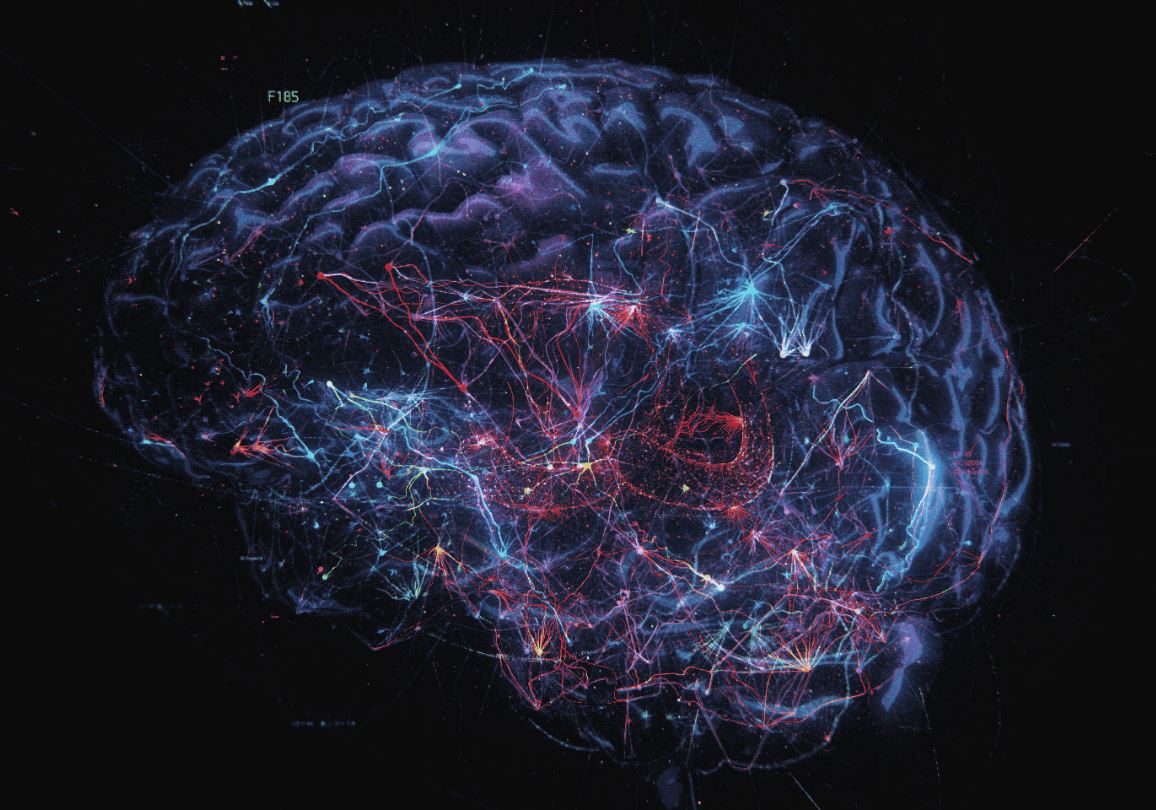
Advances in neuroscience highlight how communication is written into the biology of our brains. The discovery of mirror neurons, for instance, shows how humans are hardwired for empathy, automatically simulating the emotions of others during contact. Brain imaging studies reveal that social rejection activates the same neural circuits as physical pain, underscoring why isolation is so distressing. Communication activates networks across language, memory, and emotional centers, making dialogue one of the most complex and integrated acts the brain can perform. Neuroscience also explains why face-to-face contact, with its subtle cues of tone, gesture, and expression, creates deeper bonds than text alone. By grounding communication in biology, neuroscience reveals why contact feels so vital and transformative.
Contact in the Age of Digital Interaction
In the modern era, much of human contact takes place through screens. This raises both opportunities and challenges. On one hand, digital platforms allow global communication, connecting people across cultures and geographies in ways once impossible. On the other hand, the absence of physical presence can weaken empathy and increase misunderstandings. Research in psychology and neuroscience shows that while digital communication can support relationships, it rarely replicates the depth of face-to-face encounters. The challenge of our age is to use technology in ways that preserve authenticity and meaning while avoiding the alienation that can arise from shallow or fragmented contact.
The Role of Contact in Healing and Growth
In psychotherapy, contact is the lifeline of healing. The therapeutic relationship itself is often more important than the techniques used, providing a safe space where individuals feel seen and understood. Empathetic communication allows clients to process trauma, confront anxiety, and rebuild a sense of self. Similarly, in philosophy, dialogue can challenge assumptions and expand perspectives, leading to intellectual growth. Neuroscience adds that supportive contact can even alter the brain’s stress pathways, lowering cortisol and strengthening resilience. Whether in therapy, philosophy, or daily life, contact shapes the trajectory of growth and recovery by reminding us that no one is meant to navigate existence alone.
Building a Culture of Dialogue
The idea of contact extends beyond individual messages or isolated exchanges and reaches into the creation of a sustained culture of dialogue. The aim is not only to share information across psychology, philosophy, and neuroscience, but to encourage ongoing reflection, thoughtful conversation, and collaborative inquiry. When engagement is treated as a shared practice, readers and contributors move from passive consumption into active participation, forming a living network of ideas rather than a static archive of content.
This approach reflects the nature of cognitive science itself, where understanding is shaped through interaction, revision, and exchange rather than fixed conclusions. Knowledge grows when perspectives meet, challenge one another, and evolve over time. Cultivating a culture of dialogue helps ensure that exploration of the mind remains open, inclusive, and responsive to the diversity of human experience, allowing insight to emerge through connection rather than isolation.
Why Contact Shapes the Future of Mind Exploration
Looking ahead, meaningful contact will play an increasingly central role in how the mind is studied and understood. Interdisciplinary collaboration among scientists, philosophers, clinicians, and educators depends on sustained dialogue across fields that often use different languages and assumptions. Emerging technologies such as brain–computer interfaces and artificial intelligence introduce ethical and social questions that cannot be resolved within a single discipline, making open conversation essential.
At a personal level, the pressures of contemporary life heighten the importance of supportive and reflective connection. Spaces that encourage exchange allow scientific insight, philosophical reflection, and lived experience to inform one another. Treating contact as foundational rather than incidental creates a meeting ground where ideas are tested, refined, and shared, helping collective understanding of the mind deepen in ways that remain both rigorous and human.